
 Save
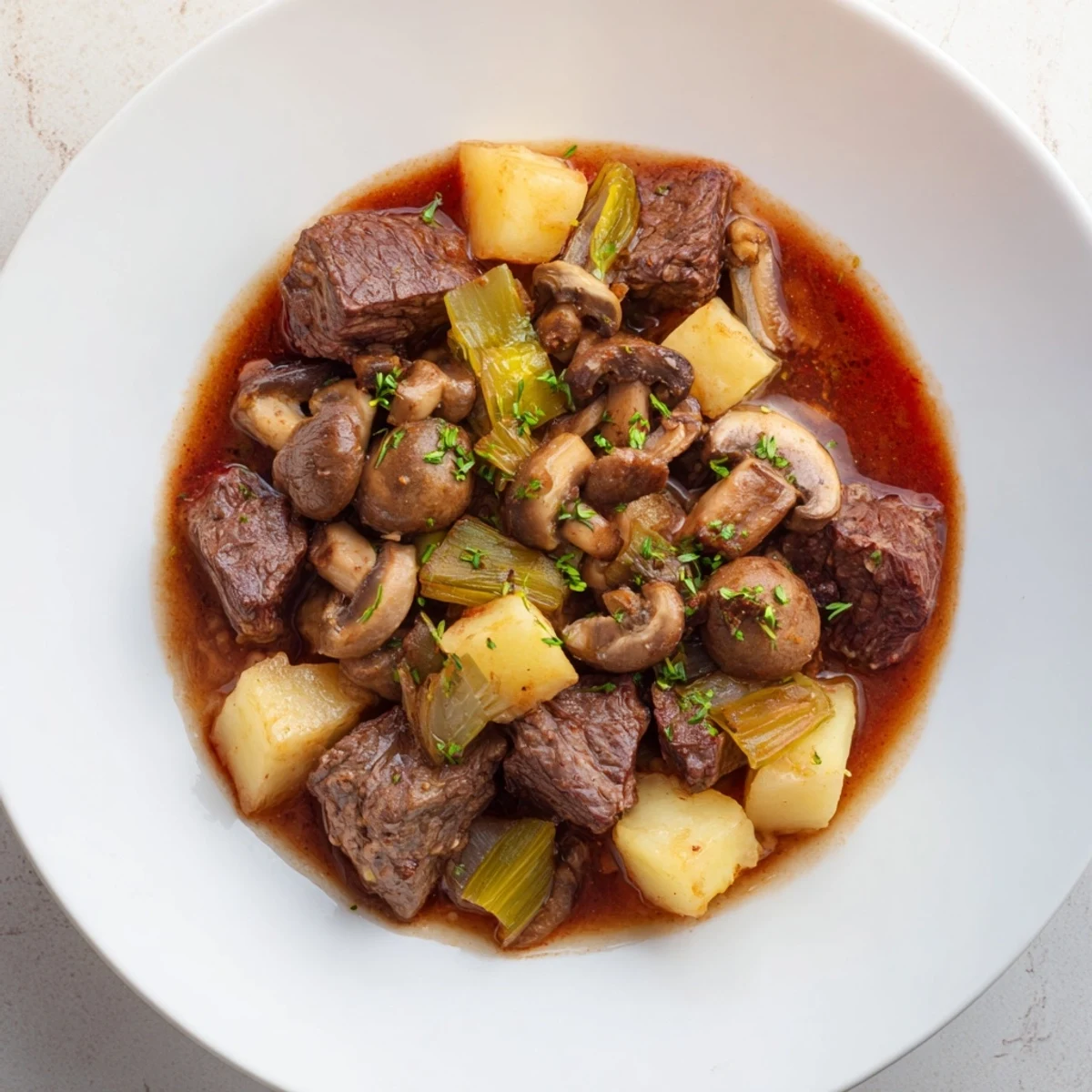
Save This hearty stew blends tender beef chuck with winter vegetables like rutabaga, turnip, fennel, and mushrooms, simmered slowly with fresh thyme and rosemary in savory broth. Ideal for colder days and low-carb lifestyles, it offers rich flavor and comforting warmth with a balance of earthy and aromatic notes. Optional butter adds richness while parsley freshens the finish.
Preparation involves browning beef, sautéing aromatics, then slow simmering to tender perfection, making a satisfying main suitable for keto and gluten-free preferences.
Winter solstice cooking hits different when you're committed to staying low-carb. I found myself staring at a pot one December evening, trying to recreate the beef stew my grandmother made, but without the potatoes and flour that never worked with my keto lifestyle. That first batch of rutabaga and turnip instead of the usual suspects felt like a small rebellion, and honestly, it turned out to be the most satisfying bowlful I'd had in months.
I made this for friends who were skeptical about keto cooking, and watching them ask for seconds without knowing the stew was low-carb felt like winning a small victory. The rich broth, the tender beef, the slightly sweet earthiness of the root vegetables—it all came together in a way that made the dietary restriction invisible.
Ingredients
- Beef chuck (800 g / 1.75 lbs), cut into 1-inch cubes: This cut braises beautifully and becomes incredibly tender; don't skimp on size, as smaller pieces fall apart.
- Olive oil (2 tbsp): For browning the meat and building flavor from the fond—use a good quality one if you can.
- Rutabaga (1 small, about 250 g), peeled and diced: Slightly sweet and sturdy, it holds up to the long simmer without turning mushy.
- Celery stalks (2 medium), sliced: The backbone of the broth's flavor, it practically dissolves into the liquid.
- Turnip (1 medium), peeled and diced: A gentler, more delicate root vegetable than rutabaga; use both for depth.
- Fennel bulb (1 small), sliced: Brings a subtle licorice note that makes people ask what the secret ingredient is.
- Mushrooms (2 cups), quartered: They give the stew an umami richness and earthy weight.
- Leek (1 small, white and light green parts), sliced: Milder than onion, it softens into the background and adds sweetness.
- Garlic (2 cloves), minced: Don't let it burn when you add it; it should just become fragrant.
- Beef broth (3 cups), low sodium: Low-sodium lets you control the salt and taste the actual meat and vegetables.
- Dry red wine (1 cup, optional): If using, choose something you'd drink; the tannins deepen the stew beautifully.
- Fresh thyme (2 tsp), chopped: Strip the leaves from the stems for better texture and distribution.
- Fresh rosemary (1 tsp), chopped: Earthy and piney; a little goes a long way, so don't double it.
- Bay leaf (1): Remove it before serving—a small detail that prevents anyone biting into it.
- Sea salt and black pepper: Taste as you go; you'll likely need to adjust at the end.
- Fresh parsley (2 tbsp), chopped: A bright finish that cuts through the richness.
- Unsalted butter (1 tbsp, optional): Adds silky richness if you want to push the comfort level even higher.
Instructions
- Brown the beef, get the party started:
- Heat oil until it shimmers, then work in batches so the meat actually browns instead of steaming. You'll hear it sizzle; that's the Maillard reaction creating flavor. Once everything's golden, set it aside.
- Soften the aromatics:
- Lower the heat and add the leek, celery, and fennel to the same pot. You want them just tender and fragrant, about 3 to 4 minutes of gentle cooking. This builds a flavor foundation.
- Build the base:
- Stir in garlic, mushrooms, rutabaga, and turnip. Let them cook for another 3 minutes until everything starts to smell like winter and comfort.
- Deglaze and simmer briefly:
- Return the beef to the pot and pour in red wine if using, scraping the bottom to lift all those flavorful browned bits. Let it bubble for 2 minutes; you're cooking off the harsh alcohol.
- Add the liquid and herbs:
- Pour in the broth, add thyme, rosemary, bay leaf, salt, and pepper. Bring to a gentle boil, then immediately turn it down to low.
- Let time do the work:
- Cover and simmer for 1 hour 15 minutes, stirring occasionally. The beef will go from firm to yielding, and the vegetables will soften into the broth. You'll know it's ready when a fork slides through the beef with almost no resistance.
- Finish strong:
- Remove the bay leaf, stir in butter if you're using it, and taste for seasoning. Adjust salt and pepper to your preference, then scatter fresh parsley over each bowl.
 Save
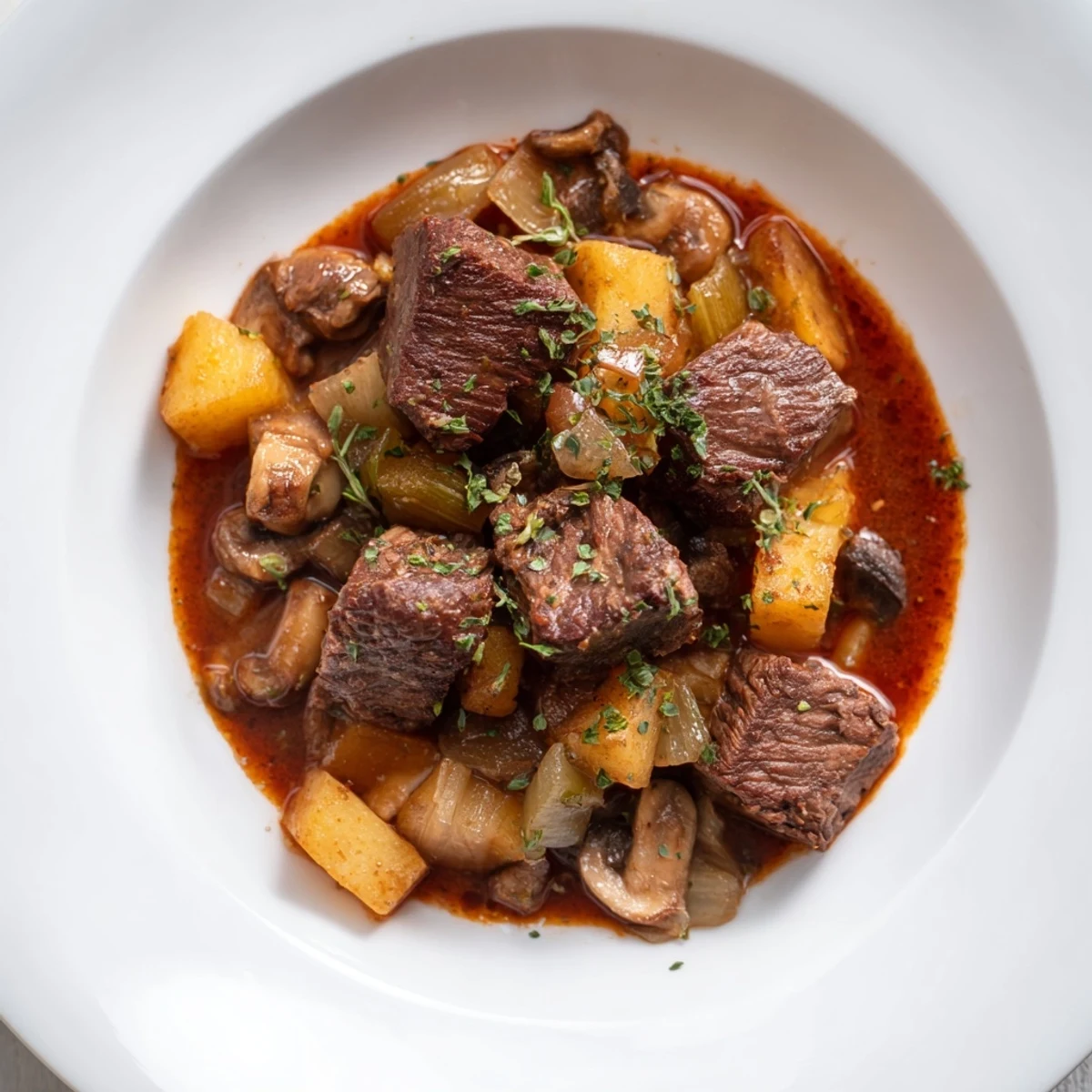
Save There was a moment midway through cooking when steam lifted the pot lid and fogged up my glasses, and I could smell the thyme and rosemary so clearly it felt like the kitchen was breathing. That's when I knew this wasn't just another dinner—it was turning into something memorable.
Why Root Vegetables Matter Here
Potatoes would absorb the broth and get mushy; these alternatives stay textured and keto-friendly. Rutabaga has a subtle sweetness that balances the wine and beef, while turnip stays firmer and provides a gentle earthiness. Together, they create layers of flavor instead of a starchy blank slate. If you can't find both, use extra rutabaga or swap in celery root for a different but equally delicious result.
The Wine Question
Red wine isn't just an ingredient; it's a flavor multiplier. The tannins and acidity wake up the beef and vegetables in ways plain broth can't. If you don't use it, increase the broth by 1 cup and add a splash of red wine vinegar to replace some of that brightness. Some people worry about the carbs, but most of the sugar cooks off during that initial simmer and the long braise.
Serving and Storing
This stew tastes even better the next day once the flavors have settled together—refrigerate it in an airtight container for up to 4 days. Reheat gently on the stovetop with a splash of broth to loosen it up. It also freezes beautifully for up to 3 months, making it perfect for meal prep.
- Serve with a crisp green salad dressed in vinaigrette to cut through the richness.
- A glass of the same red wine you used in the pot pairs beautifully.
- If you want to stretch it, add more mushrooms or vegetables to existing broth.
 Save
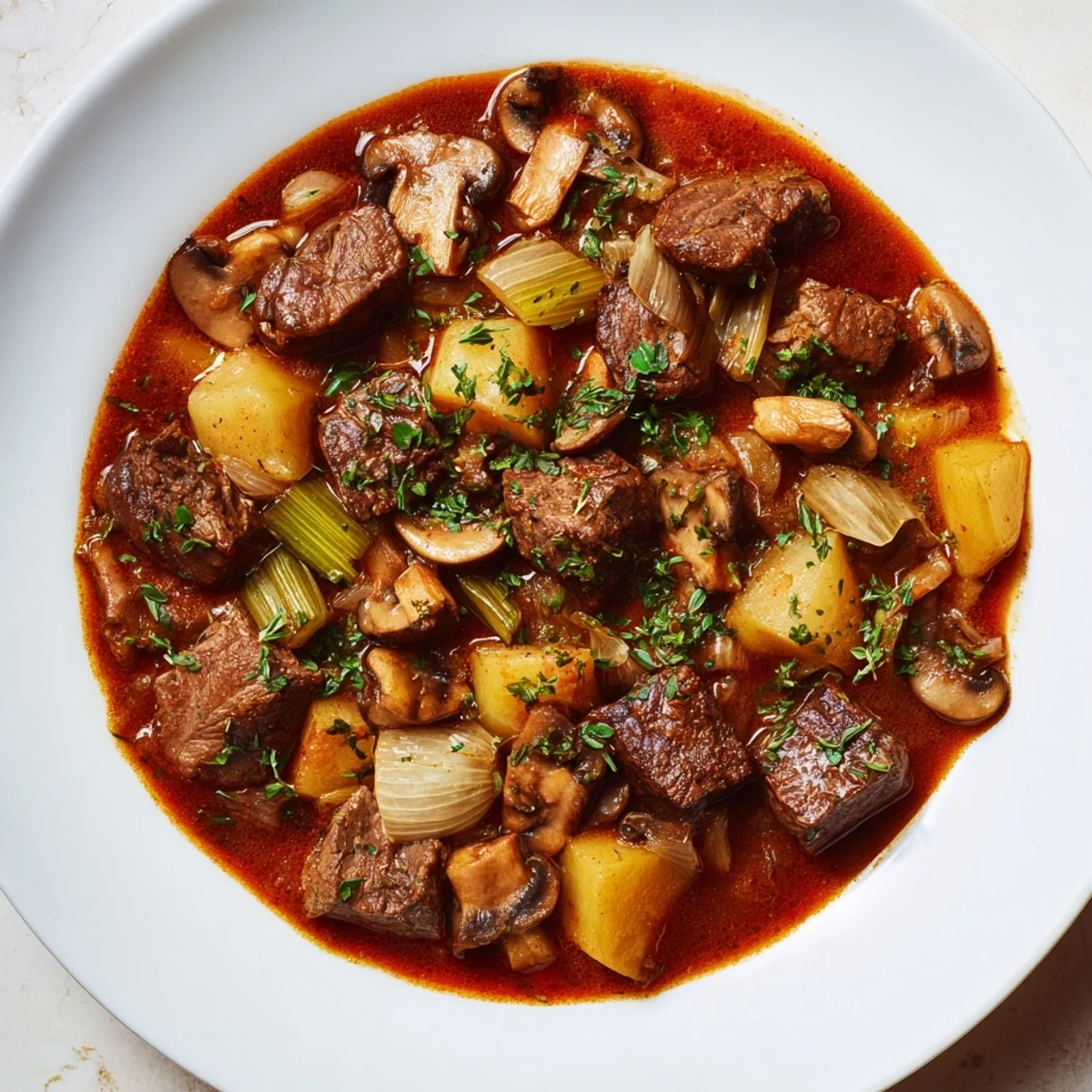
Save Solstice cooking is about honoring the season and what your body needs. This stew does exactly that—it's warm, nourishing, and makes keto feel less like restriction and more like something genuinely delicious.
Recipe FAQs
- → What cut of beef works best for this stew?
-
Beef chuck is ideal for slow cooking, becoming tender while absorbing rich flavors.
- → Can I substitute vegetables in this stew?
-
Yes, root vegetables like celeriac can replace rutabaga or turnip for a different but complementary taste.
- → Is red wine necessary in the cooking process?
-
Red wine adds depth, but you can replace it with additional beef broth without compromising flavor.
- → How can I thicken the stew if desired?
-
Simmering uncovered for the last 15 minutes helps reduce liquid and thicken the stew naturally.
- → What herbs enhance the flavor profile?
-
Fresh thyme and rosemary provide aromatic, earthy notes that balance the richness of the beef and vegetables.